TRISAT-S in Orbit Showcases the Power of SkyLabs Technology
TRISAT-S is now in orbit and on board is a powerful SkyLabs technology stack built for small satellites that cannot compromise performance, security or reliability.
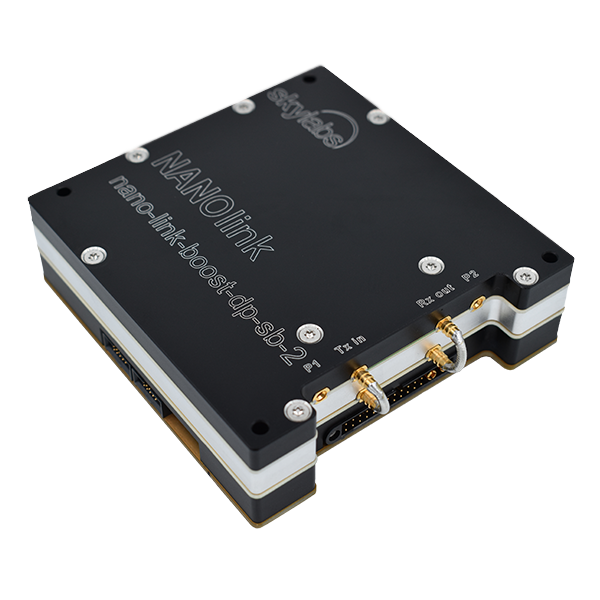
With NANOlink S-band communications, SDLP secure communications, full-duplex operation, and the fault-tolerant NANOobc onboard computer, TRISAT-S demonstrates how a compact platform can deliver the operational capability of a far larger mission.
More than a radio link
NANOlink is designed to turn limited ground-station contact time into meaningful mission value.
Its secure S-band communications capability helps protect the command and data path between ground and spacecraft. For operators handling high-value payload data or running sensitive missions, security is not an add-on — it is part of mission assurance.
SDLP-secured communications support protected telecommands and data exchange, helping operators maintain confidence that the right commands reach the spacecraft and that valuable mission data is delivered through a trusted link.
Use every second of a pass
Full-duplex operation means the satellite can transmit and receive at the same time.
While mission data, payload products, and spacecraft telemetry flow down to the ground, operators can send commands, update parameters, request new acquisitions, or adjust the mission plan through the uplink. The result is a faster, more responsive operations cycle and better utilization of every available communication window.
For commercial and institutional missions alike, this translates into:
- More effective use of valuable ground-station time.
- Faster reaction to changing mission priorities.
- Higher operational efficiency without added complexity.
- A communication architecture ready for data-intensive small-satellite missions.
The intelligence behind the link
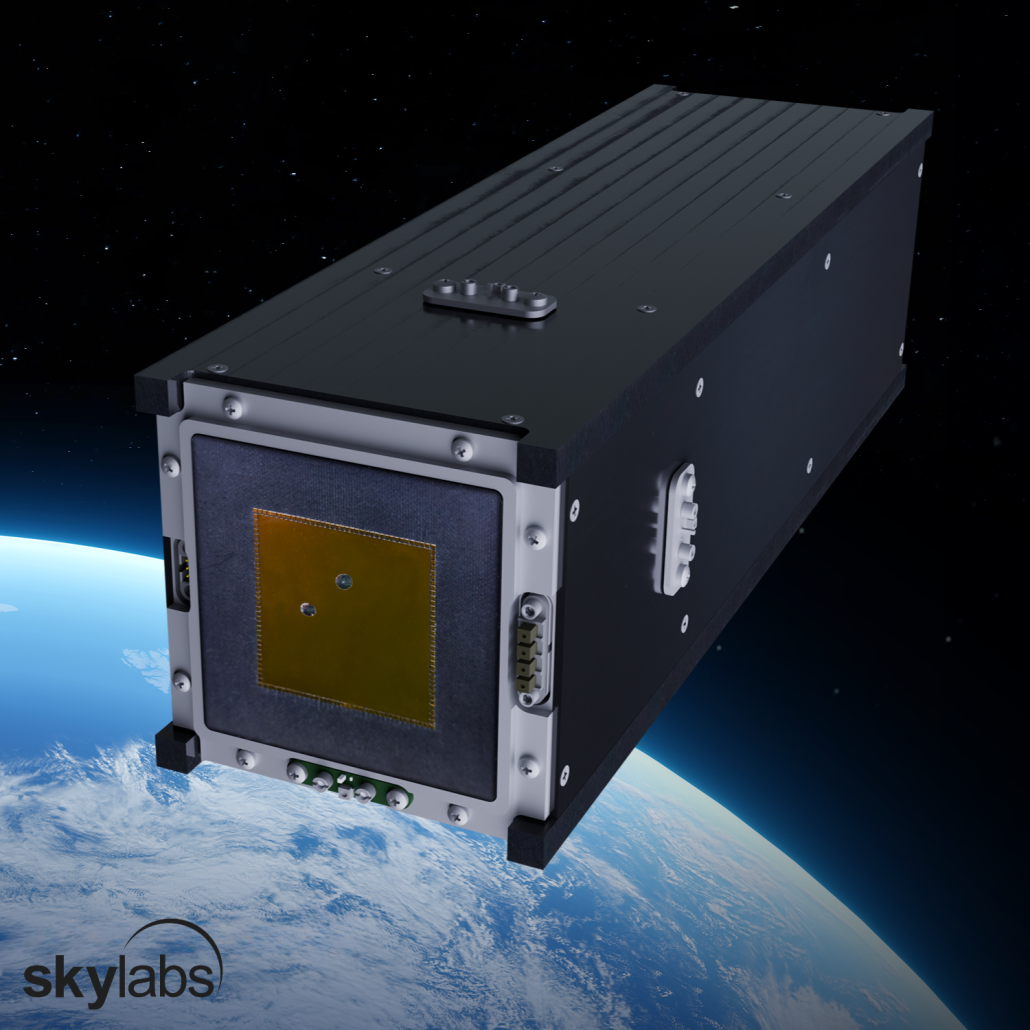
The fault-tolerant NANOobc onboard computer brings the entire system together.
It provides the dependable onboard processing and subsystem orchestration needed to manage data flow, spacecraft functions, and communications operations — even in the demanding radiation and reliability environment of low-Earth orbit. Rather than treating the computer and radio as separate building blocks, this integrated approach enables a more coherent, efficient, and resilient mission architecture.
A glimpse ahead
TRISAT-S is also a glimpse into the future of highly miniaturized, autonomous spacecraft — a solar-independent design, six-camera visual awareness for imaging-based navigation, and a streaming-oriented communication architecture that moves beyond conventional request-response TM/TC, demonstrated by a complete OBC firmware upload in under five seconds.
A high-performance combination
NANOlink and NANOobc give satellite builders and operators a focused proposition: secure data, efficient operations, and robust onboard control in a compact small-satellite solution.
This combination is a strong fit for missions that need to:
- Protect sensitive commands and valuable downlinked data
- Increase usable throughput during limited ground contacts
- Reduce operational latency between the ground team and spacecraft
- Build resilience into critical onboard functions
- Scale capability without scaling spacecraft complexity, mass, or integration risk
TRISAT-S is an important milestone for the mission team and for Slovenian space technology. For SkyLabs, it is also an in-orbit demonstration of a clear direction: enabling small satellites to operate with more security, more bandwidth efficiency, and more confidence.
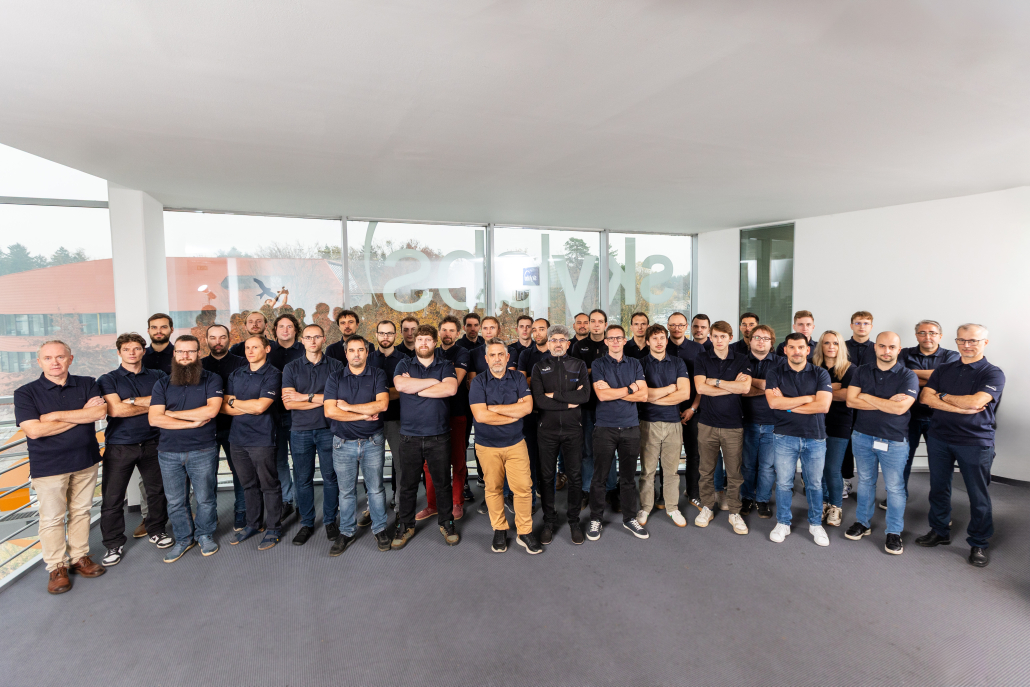
Congratulations to University of Maribor and SkyLabs teams who made IoD possible!